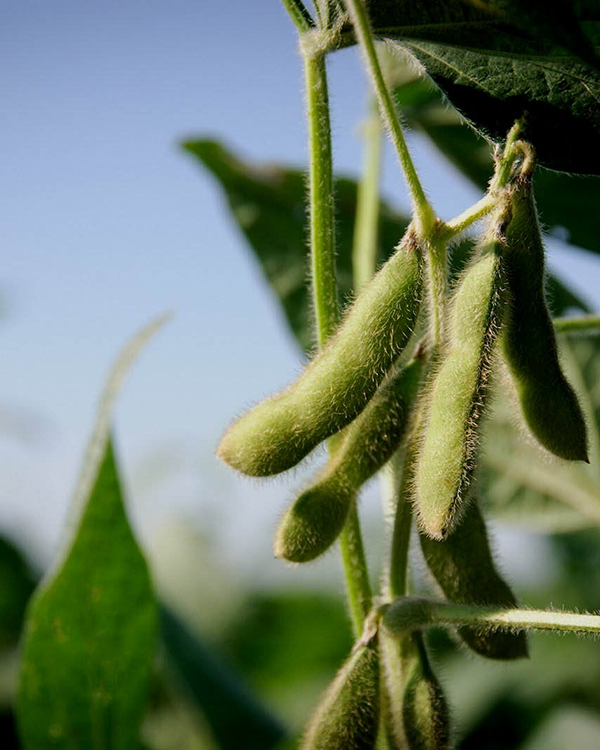
Calcium Clarified: Soybeans
As the quest for higher-yielding soybeans advances, balanced fertility will be required to push yields higher. Proper crop nutrition goes beyond the macronutrients of nitrogen (N), phosphorus (P) and potassium (K). Soybeans also need secondary nutrients, like calcium to grow and thrive. In fact, calcium plays an essential role in numerous physiological processes throughout the soybean plant.
Generally, calcium supports the plant in the following areas:
Cell Division & Elongation:
Calcium acts as a secondary messenger to regulate the cell cycle and promote proper cell expansion. Calcium ions help activate enzymes that facilitate cell division and elongation, contributing to the overall growth and development of the plant.
Cell Wall Elongation & Strength:
Calcium is important for the formation of pectin, a component of the cell wall matrix. Adequate calcium levels contribute to strong and well-developed cell walls, providing rigidity to the plant stem, branch, and leaf structure.
Nitrogen Uptake & Metabolism:
Calcium influences the activity of transport proteins for the uptake of nitrate from the soil. Calcium also modulates enzymes involved in nitrate assimilation within the plant, ensuring proper nitrogen utilization for various physiological processes.
Abiotic Stress Management:
Calcium helps maintain cell membrane stability and integrity during periods of environmental stress, such as drought or extreme temperatures. Calcium is vital for preventing cellular damage and ensuring the plant’s resilience to adverse conditions.
Disease Resistance & Defense Mechanisms:
Calcium contributes to the activation of defense responses in the plant, including the synthesis of antimicrobial compounds and reinforcement of cell walls. Adequate calcium levels enhance the plant’s ability to resist infections and protect plants from common diseases because the surface of the plant tissues are more resilient with stronger cell walls.
Soil Structure Health & Biological Activity:
Calcium is vital for maintaining soil structure health and promoting biological activity in the rhizosphere, the region of soil engaged by the plant’s roots. Calcium also facilitates nutrient availability and microbial activity to foster a healthy environment for plant growth.
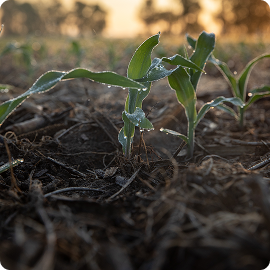
Calcium Availability
Today’s high-yielding crops require more calcium than ever before. Even when soil tests indicate high calcium levels, it does not guarantee optimal plant availability for the critical nutrient. Generally, less than 5% of measured calcium shown on traditional soil test results is plant-available.
The availability of calcium for plants to uptake in soils can be influenced by interactions with soil colloids, the presence of other nutrient ions and soil pH. Therefore, regular soil and plant tissue testing and consideration of the soil chemistry dynamics are essential for tailoring calcium management strategies and optimizing plant nutrition.

Supplemental Calcium
Supplemental calcium nutrient sources vary in plant availability. Therefore, in many cases, it is critical to apply calcium products that are more plant-available and can address plant uptake needs during critical growth and development periods. By choosing calcium sources that are readily absorbed by plants, growers can help maximize uptake and deliver elevated returns on their fertilizer investment. With 100% plant-available nutrition, SUL4R-PLUS® calcium-sulfate is an excellent option for helping crops meet their calcium needs (and it helps improve the soil too).
Overall, calcium is important for supporting plant growth and development and ensuring robust yields across most crops. Stay tuned for future blog posts in our Calcium Clarified series where we will break down the role of calcium in specific crops including alfalfa, corn, potatoes, soybeans and wheat.
Get expert insights, company news & trial data.
Here’s a few similar resources we think you may find interesting.

Nourish the Population and the Planet
When you work in agriculture, you see the importance of a stable and thriving local ecosystem first-hand, every day. You depend on the natural cycles of the earth for good yields and healthy crops. You also become aware of the immense threat climate change presents to our way of life.
Read More
A Solution to Food Shortages
If you haven’t heard it yet, we suggest taking a listen to The Power Hungry Podcast - Episode #133. In this episode, host Robert Bryce talks to John Harpole, president of Denver-based natural gas broker Mercator Energy. Mr. Harpole brings data-driven points highlighting the impact that the current energy, food, and fertilizer crisis hitting Europe will have on food prices and food security worldwide.
Read More
SUL4R-PLUS Sustainability: The Carbon Footprint of Commonly Used Fertilizers
SUL4R-PLUS Sustainability: The Carbon Footprint of Commonly Used Fertilizers Travis Banet, PhD (Integrated Plant and Soil Sciences)SUL4R-PLUS Manager of Research and Development In 2025, SUL4R-PLUS partnered with Tunley Environmental to measure SUL4R-PLUS carbon footprint. What is a carbon footprint? Greenhouse gas emissions are commonly created when fuel and energy are used to power things. For …
Continue reading "SUL4R-PLUS Sustainability: The Carbon Footprint of Commonly Used Fertilizers"
Read More