
Trials Continue to Show Improved Yields by Adding SUL4R-PLUS
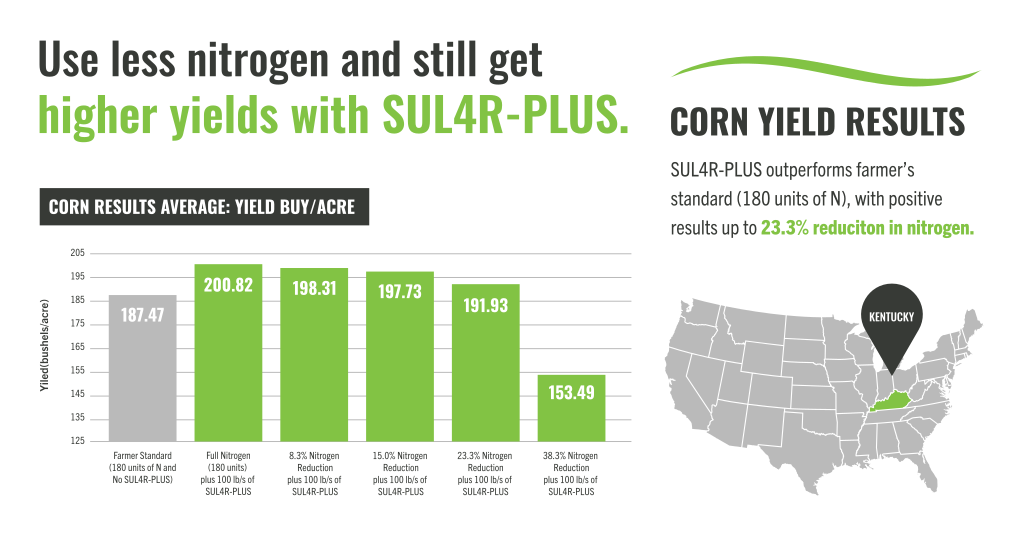
The results are in from our 2022 corn field trials conducted in Western Kentucky! These trials demonstrated that SUL4R-PLUS can improve corn yields while also increasing nitrogen uptake efficiency and utilization by the crop. Let’s dig into the details.
The graph below illustrates the improvements we saw when compared to the farmer’s standard N-P-K application program. It demonstrated that when SUL4R-PLUS is used in your fertility program, you can not only get increased yields, but increased nitrogen utilization efficiency to further enhance grower margin per acre.
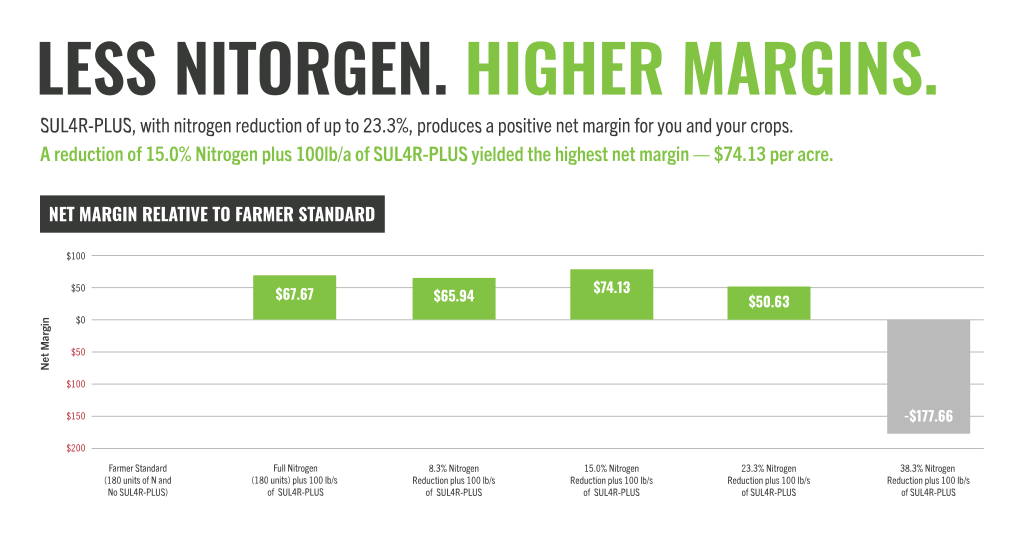
Using this combination of SUL4R-PLUS and up to 23.3% less nitrogen translated to a higher gross margin per acre in this instance. The best gross margin we found during this trial was a 15% reduction in nitrogen applied versus the grower standard and it resulted in $74.13 higher gross margin.
If you’re ready for higher yields and higher margins per acre for your growers, it’s time to consider SUL4R-PLUS. Connect with our sales team today.
Get expert insights, company news & trial data.
Here’s a few similar resources we think you may find interesting.

SUL4R-PLUS Sustainability: The Carbon Footprint of Commonly Used Fertilizers
SUL4R-PLUS Sustainability: The Carbon Footprint of Commonly Used Fertilizers Travis Banet, PhD (Integrated Plant and Soil Sciences)SUL4R-PLUS Manager of Research and Development In 2025, SUL4R-PLUS partnered with Tunley Environmental to measure SUL4R-PLUS carbon footprint. What is a carbon footprint? Greenhouse gas emissions are commonly created when fuel and energy are used to power things. For …
Continue reading "SUL4R-PLUS Sustainability: The Carbon Footprint of Commonly Used Fertilizers"
Read MoreCalcium Clarified: Alfalfa
Calcium is a vital nutrient that helps facilitate proper growth and function of alfalfa plants. From regulating cell division and cell wall development to facilitating nutrient uptake and metabolism, calcium is required for numerous physiological processes.
Read More
Get the Most Out of Your Fertilizer with SUL4R-PLUS
Fertilizer prices are rising, and that makes your decision of which to buy even more important.
Read More