
Reduce Fertilizer Dust, Increase Workplace Sustainability
Workplace sustainability is always something to keep top of mind. We all want to make the best decisions regarding our workplace, and the people working there. Sometimes a better way comes along, and it’s time to reevaluate.
When it comes time to unload fertilizer, it can be a frustrating task. All work in the warehouse stops as typically dusty fertilizer is unloaded,: employees clear out due to safety concerns, you watch too much of your fertilizer go up in dust clouds, and you see it settle in all the wrong places—like the moving parts of your expensive equipment.
With the SUL4R-PLUS dust-free formula, those days are gone. Keep your employees working without the fear of inhaling something they shouldn’t or getting dust in their eyes, keep your machinery clean and functional, and keep your fertilizer out of the air and in the ground where it belongs.
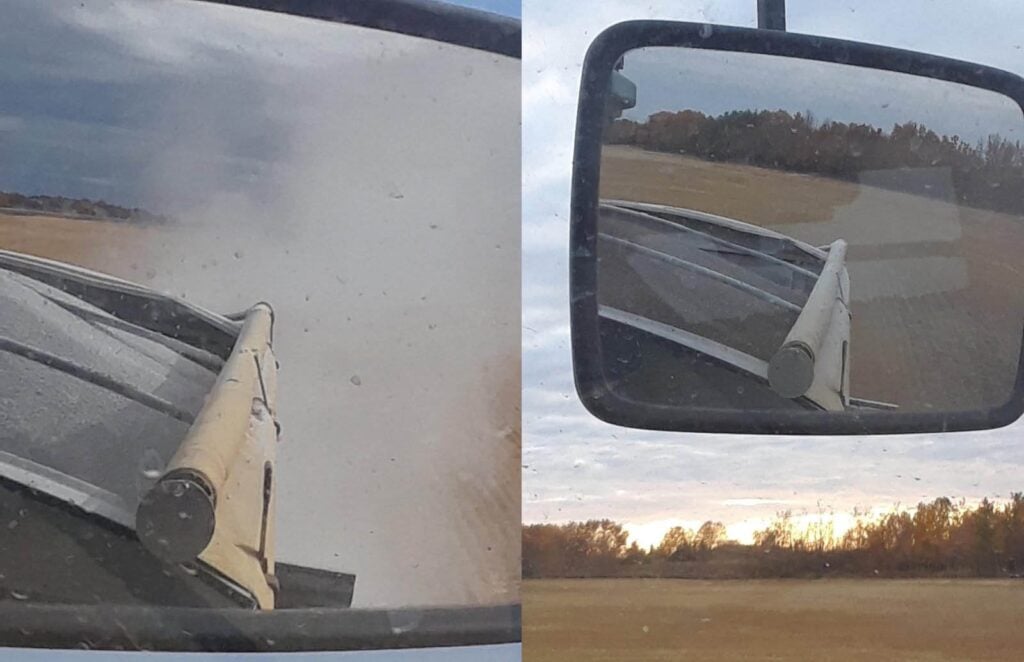
Sustainability comes in many forms, both good for the planet and good for the people living on it. The unique patented product from SUL4R-PLUS does both. As an upcycled product it does good for the planet and its dust-free formula ensures it’s good for your people and for your workplace safety.
Get expert insights, company news & trial data.
Here’s a few similar resources we think you may find interesting.

SUL4R-PLUS and HELM Crop Nutrition Americas Announce Exclusive Partnership
We are thrilled to announce our exclusive partnership with HELM Crop Nutrition Americas, a leading name in agricultural logistics and distribution.
Read More
Reduce Fertilizer Dust, Increase Workplace Sustainability
Calcium is an important nutrient for proper corn plant nutrition. Even though it is a secondary nutrient, calcium is critical for optimizing plant strength, ear and kernel development and plays a key role in numerous physiological processes throughout the plant.
Read More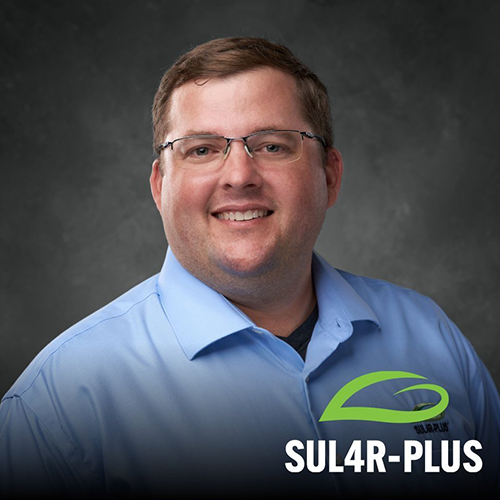
Employee Spotlight: Noah Binkley
Noah Binkley, a Sales Manager with SUL4R-PLUS, has been an integral part of the team since 2021. With over 10 years of experience in the agriculture and fertilizer business, Noah brings invaluable expertise to our mission of helping farmers achieve higher yields.
Read More