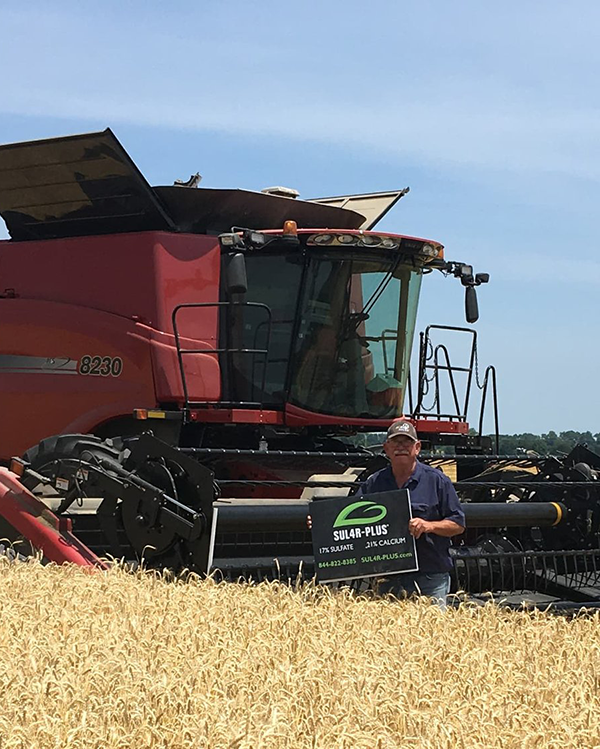
Bulk Up Your Winter Wheat: Increase Protein with SUL4R-PLUS
We all know the industry has been seeing a lot of challenges, and it’s not over yet. This article from Argus Media Group, Global wheat market braces for high-protein shortage, states, “The global wheat market is heading for an imbalance in the supply of high and low-protein milling grades this year, as above-average yields in the northern hemisphere have resulted in a lower-protein crop for the 2022-23 harvest.”
Luckily, SUL4R-PLUS can help North American wheat producers this winter. Thanks to season long plant-available nutrients, our fertilizer not only improves yield, it also improves the quality and protein content of winter wheat. Just take a look at this trial from Meyer Farms in Washington County, IL.
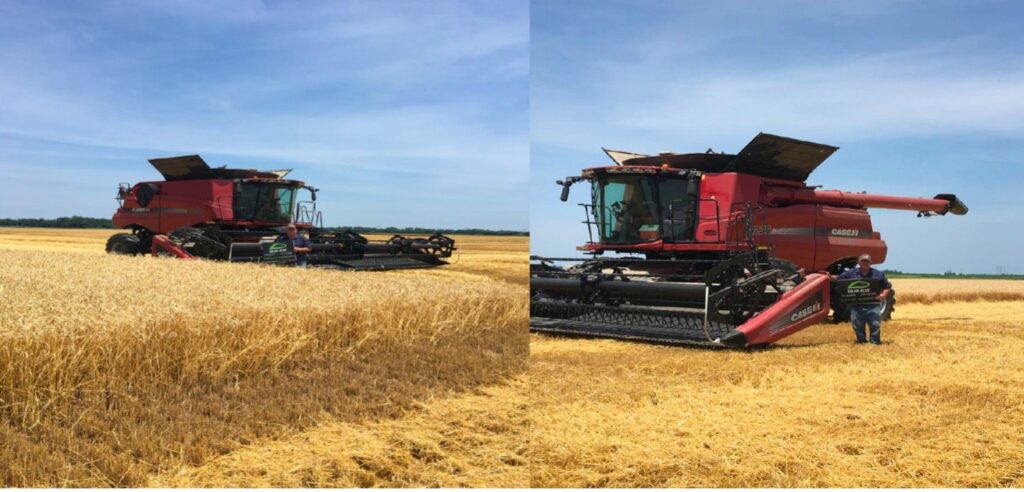
Dave Meyer has been a longtime SUL4R-PLUS client who’s seen the benefits firsthand. Dave uses SUL4R-PLUS on his wheat and in 2018 he shared with us that he was able to increase his yield by at least 10 bu/acre and 1-2 pts on test weight, which are numbers worth paying attention to.
Find out what SUL4R-PLUS can do for your wheat operations and how it can help the protein shortage.
Get expert insights, company news & trial data.
Here’s a few similar resources we think you may find interesting.
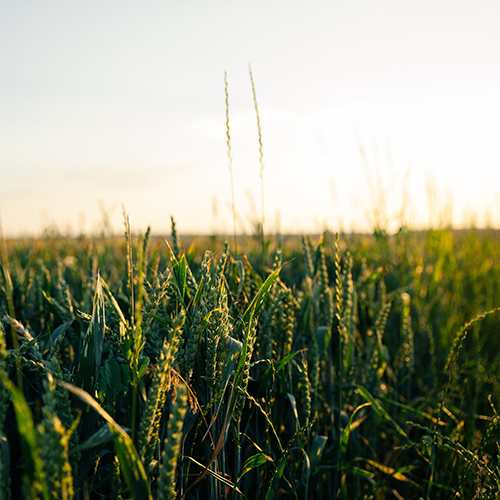
How to Boost Wheat Yield with SUL4R-PLUS
With fertilizer prices increasing, it’s more important than ever that you make the right choice. That means giving your crop everything they need to thrive.
Read More
Don’t Lose Young Crops to Salt Burn
Virtually all fertilizer materials are salts. And while fertilizer can make an enormous, positive difference in the quality of your crops, it can also sometimes cause salt burn.
Read More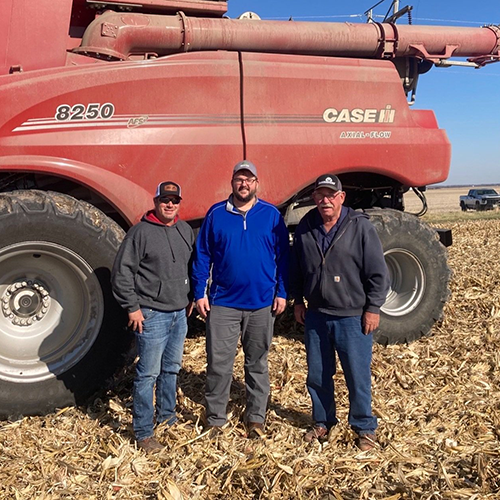
Latest Corn Field Trials Show Strong Cost Savings
We recently completed a field trial on corn coordinated with Meyer Farms of Addieville, Illinois and the results are in! This trial compared the yields using our patented SUL4R-PLUS product and the grower standard N-P-K fertility treatment with varied reductions in the amount of nitrogen applied. So how did it work out?
Read More