
SUL4R-PLUS Sustainability: The Carbon Footprint of Commonly Used Fertilizers
Travis Banet, PhD (Integrated Plant and Soil Sciences)
SUL4R-PLUS Manager of Research and Development
In 2025, SUL4R-PLUS partnered with Tunley Environmental to measure SUL4R-PLUS carbon footprint.
What is a carbon footprint?
Greenhouse gas emissions are commonly created when fuel and energy are used to power things. For example, burning fossil fuels such as coal, natural gas, or gasoline to create heat, electricity, and fuel vehicles leads to greenhouse gas emissions. A carbon footprint describes the amount of greenhouse gases that are created when things are manufactured. A carbon footprint can generally be broken into three stages:
- Raw Material Extraction: this includes all the greenhouse gases created to harvest ingredients from their sources.
- Raw Material Acquisition: this includes all the greenhouse gases created during the transport of ingredients from their sources to the point of production.
- Manufacturing: this includes all the greenhouse gases that are created during production.
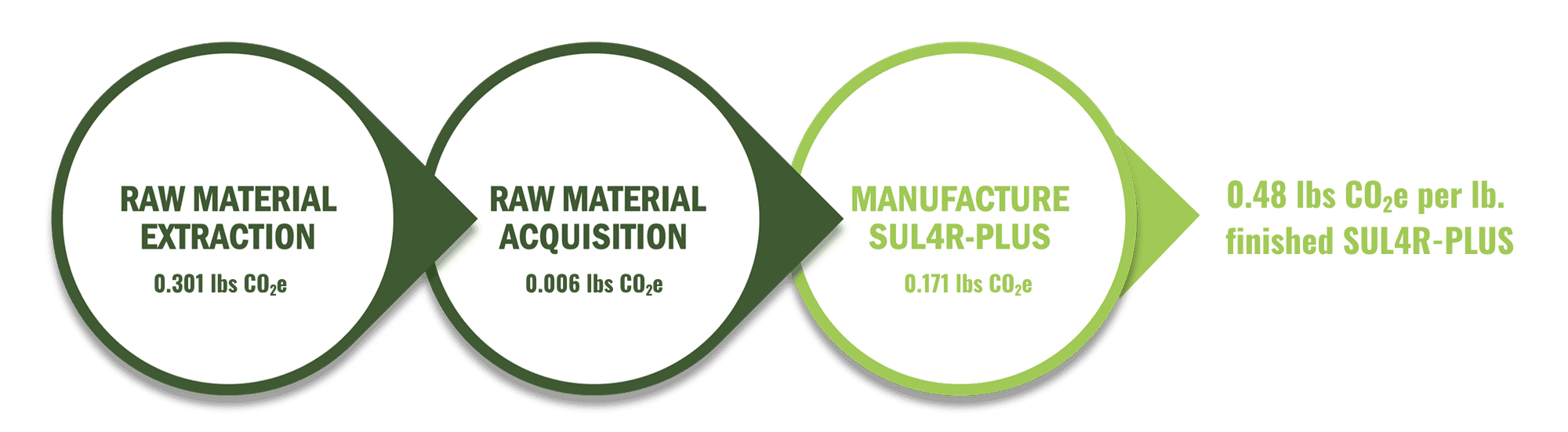
What is SUL4R-PLUS carbon footprint and how does it compare to other fertilizers?
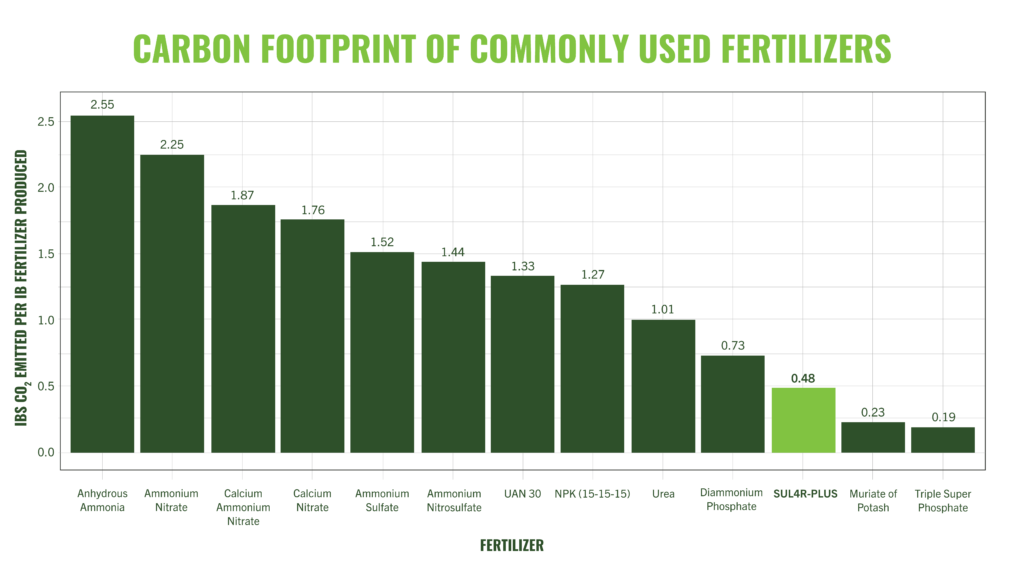
Compared to a dozen other commonly used fertilizers, SUL4R-PLUS has the third lowest carbon footprint (Figure 1). Of these, SUL4R-PLUS carbon footprint is 34% – 81% less than the ten fertilizers that have a greater carbon footprint.
It’s also important to recognize that each fertilizer’s carbon footprint is unique because they each require different ingredients and processes to create the final product. For SUL4R-PLUS, more than 60% of its carbon footprint comes from creating its main ingredient: flue gas desulfurization gypsum.
Flue gas desulfurization gypsum, or FGD gypsum, is a waste product created when coal-fired power plants scrub sulfur-based gases from smokestacks. Per federal regulations, these sulfur-based gases must be scrubbed out of smokestack exhaust to prevent harmful environmental effects like acid rain. Even if SUL4R-PLUS was not on the market, the FGD gypsum would still be produced and would keep creating greenhouse gas emissions to keep the smokestacks free of sulfur oxide gases.
SUL4R-PLUS makes use of this waste product and turns it into a valuable plant-available nutrient source that can enhance crop growth and productivity. Learn more about our Research and the impact that SUL4R-PLUS can have on a variety of crop yields.
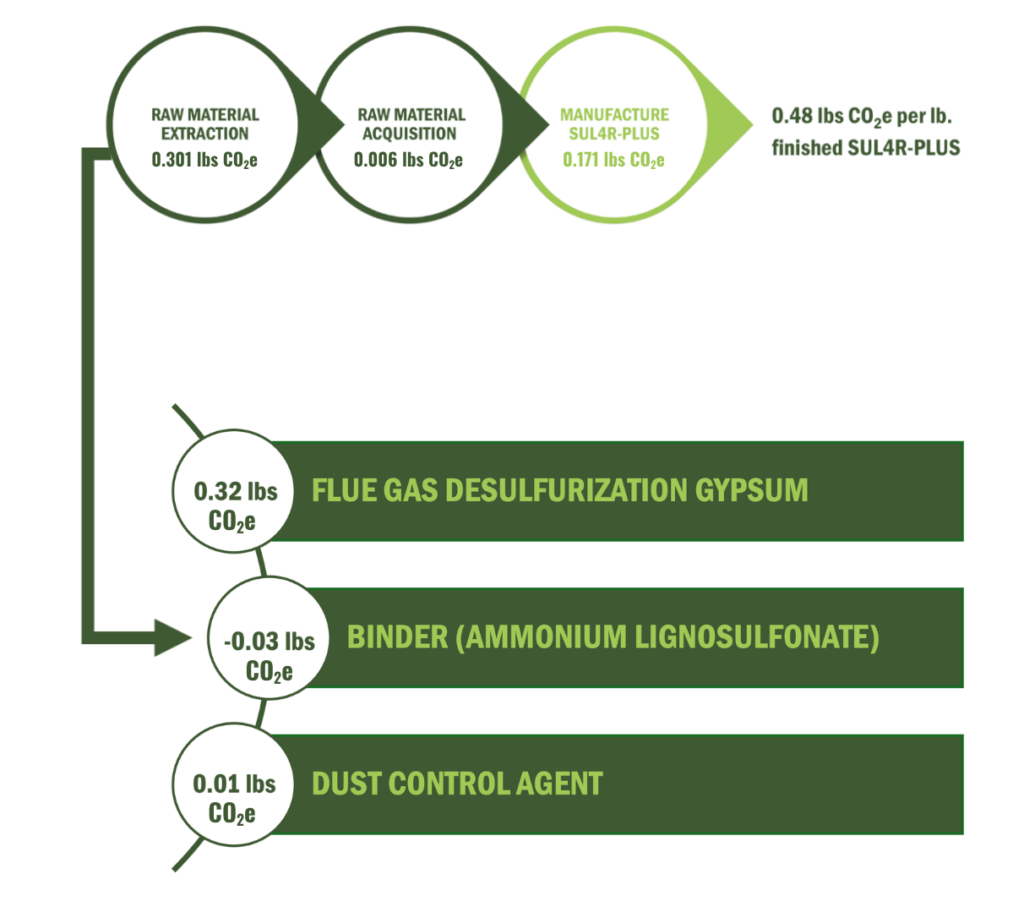
Table 1: Citations to the data referenced in Figure 1.
| Fertilizer | Citation | Reference in Text |
| SUL4R-PLUS | Tunley Environmental, 2025 | Table 2, page 9 |
| Ammonium Sulfate | ||
| Ammonium Nitrate | Fertilizers Europe, 2018 | Table 6, page 13 |
| Calcium Ammonium Nitrate | Table 8, page 15 | |
| Urea | Table 10, page 17 | |
| UAN 30 | Table 12, page 19 | |
| Ammonium Nitrosulfate | Bretrup and Hoxha, 2016 | Table 3, page 5 |
| Calcium Nitrate | ||
| Diammonium Phosphate | ||
| NPK (15-15-15) | ||
| Triple Super Phosphate | ||
| Muriate of Potash | ||
| Anhydrous Ammonia | Liu et al., 2020 | Figure 4, page 7 |
Get expert insights, company news & trial data.
Here’s a few similar resources we think you may find interesting.
Calcium Clarified: Soybeans
As the quest for higher-yielding soybeans advances, balanced fertility will be required to push yields higher. Proper crop nutrition goes beyond the macronutrients of nitrogen (N), phosphorus (P) and potassium (K).
Read More
Employee Spotlight: Noah Binkley
Noah Binkley, a Sales Manager with SUL4R-PLUS, has been an integral part of the team since 2021. With over 10 years of experience in the agriculture and fertilizer business, Noah brings invaluable expertise to our mission of helping farmers achieve higher yields.
Read More
How to Boost Wheat Yield with SUL4R-PLUS
With fertilizer prices increasing, it’s more important than ever that you make the right choice. That means giving your crop everything they need to thrive.
Read More